Water in your home? Start here.
You walked in and found water where it should not be. Your stomach drops. That is a normal reaction, and it is okay to feel rattled. The next step is small and clear.
Sande Restoration is a referral service. It connects homeowners in Chattanooga with independent local providers who handle water damage restoration. The providers do the work. Sande Restoration simply helps you reach one without a long, stressful search.
Why does timing matter? Water spreads into drywall, flooring and framing faster than most people expect. The sooner a provider starts removing water and drying the structure, the more of your home may be saved. Many providers can respond quickly, though availability varies by day and by storm.
Request a callback to check provider availability in the Greater Chattanooga area.
Would you rather put the details in writing first? You can request an estimate instead, with no obligation.
How Timing Works
Water damage is not one event. It is a series of stages, and each stage changes what the repair looks like. Here is a simple map of what tends to happen.
The first few hours
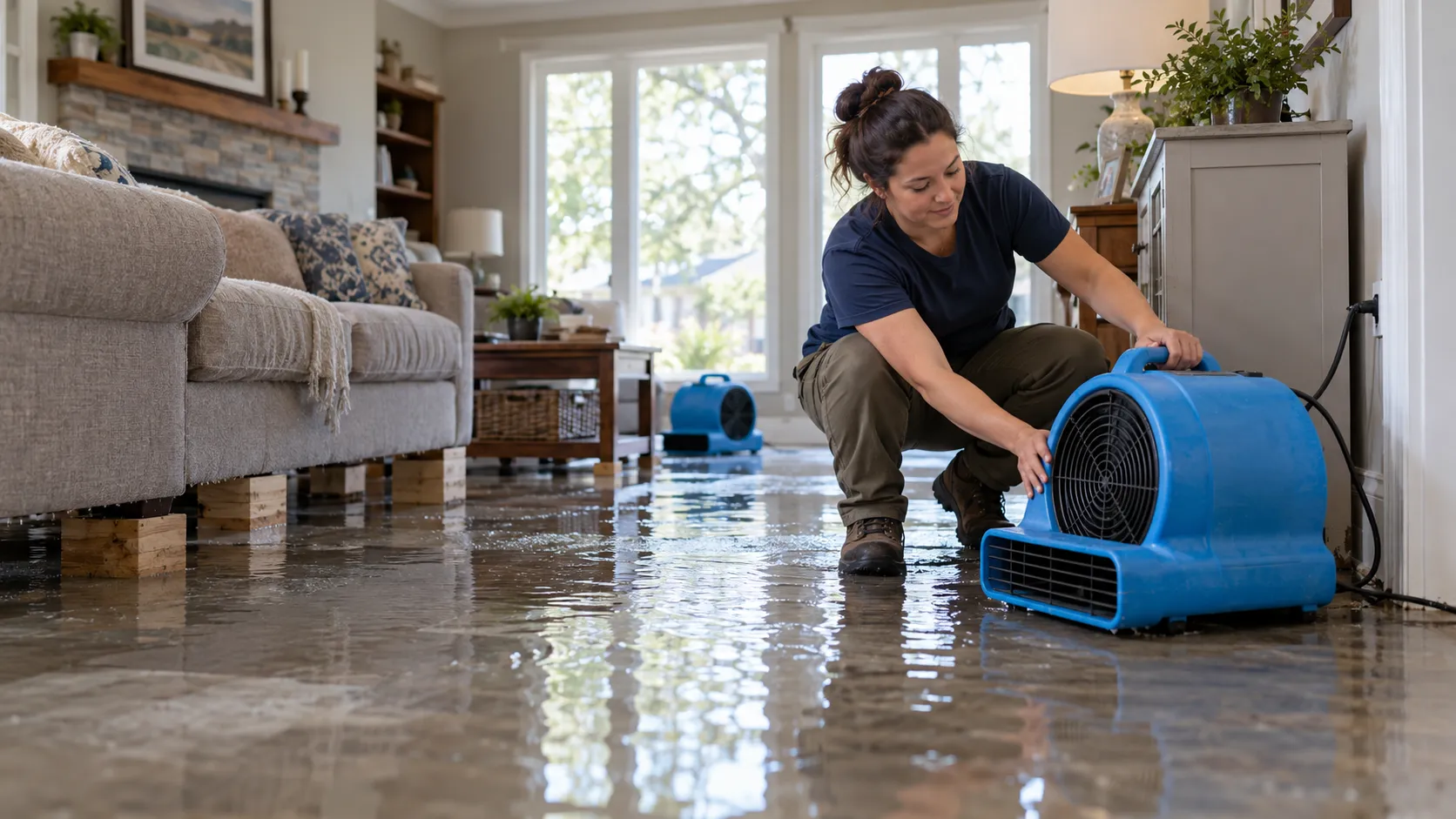
Water runs under baseboards, soaks into carpet pads and climbs up drywall like a wick. In these early hours, a provider can often stop the spread by pumping out standing water and setting up drying equipment. Damage is still small, and the fix is usually simpler.
Day one through day three
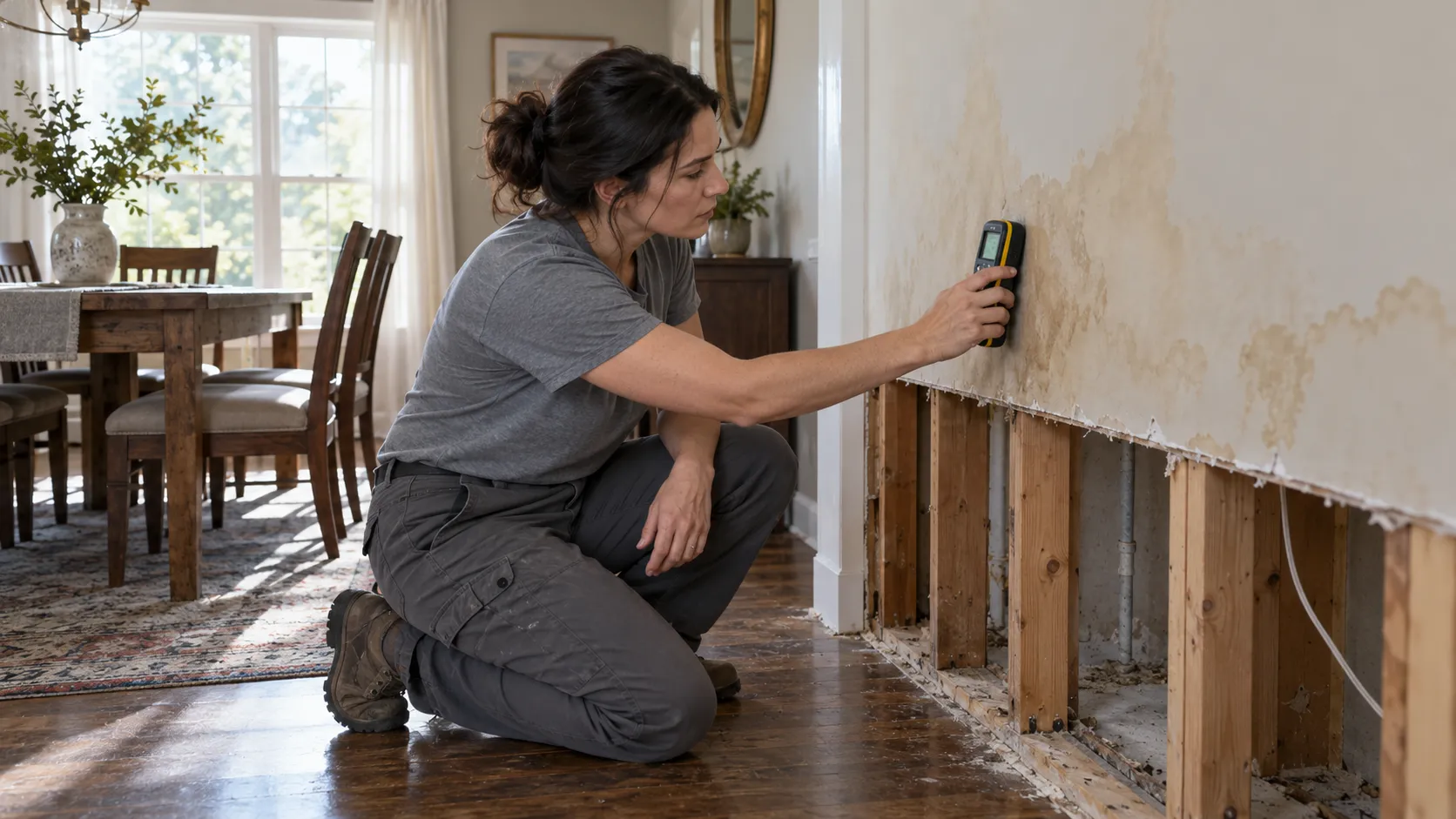
Wet materials begin to swell and warp. Wood floors may cup. Drywall turns soft. Metal fasteners can start to rust. This is when structural drying matters most. Providers use air movers and dehumidifiers and check moisture levels inside walls and subfloors, so you are not guessing about what is hidden.
Day four and beyond
Mold can begin to grow on damp surfaces within a few days, and humid weather speeds it up. After that point, more materials may need to be removed instead of dried. The job often grows larger, and so can the bill.
While you wait for a provider
If it is safe, shut off the water source and move small items out of the wet area. Take photos of everything. Keep your hands off electrical items that are near water.
Why we exist
Timing changes the outcome. Sande Restoration exists to shorten the gap between finding the problem and talking with a provider who can help.
Serving Chattanooga and Beyond
Sande Restoration works with independent providers across the Greater Chattanooga area. The weather here keeps them busy. Hot, humid summers bring heavy thunderstorms. Ice storms can freeze and split pipes. Now and then, the remains of a tropical system dump days of rain on the ground around your home.
Homes in the region vary a lot. Older mill-era houses often have crawl spaces, aging plumbing and plaster or old drywall. Newer subdivisions tend to have slab foundations, with water lines running through walls and attics. Brick and vinyl siding each hide leaks in different ways, so a small drip outside can become a big problem inside.
Because providers differ in size, schedule and equipment, availability is not the same everywhere or every day. That is why a quick check matters. Request a callback to see which provider can help at your address.
If you would rather compare first, you can ask for a written estimate and decide at your own pace.
Practical Tips for Worried Homeowners
Safety comes first
If water is near outlets or a ceiling is sagging, stay out of that room. Turn off power to the area only if you can reach the panel safely. When you are unsure, step back and wait for a professional.
Find and stop the source
For a burst pipe or a leaking appliance, close the shutoff valve. For storm water, the source may be outside, and a provider can help you plan around it.
Photos and notes
Photograph the damage before moving anything. Write down what got wet and when you first noticed it. Providers can often help document damage for a claim. Some policies may cover sudden damage, so check your policy and ask your insurer about the steps.
Storm season habits
Before heavy summer storms, clear gutters and make sure downspouts carry water away from the foundation. After an ice storm, check pipes in crawl spaces and exterior walls for cracks once temperatures rise.
Crawl spaces and slabs
Crawl spaces collect moisture, and a musty smell can be an early sign. Slab homes can hide a leak under flooring, so a warm spot or a rising water bill deserves a closer look.
What it may cost
Costs vary by job. Across the U.S., a small, contained leak can cost a few hundred dollars to dry out, while a flooded basement or a large structural job can run into the thousands. Size, materials and how long the water sat all matter. Always get a written quote before work begins.
Questions to ask a provider
Ask about the equipment they use, how they will measure moisture, what the quote includes and when they can start. A clear answer is a good sign.
Prevent the next leak
Replace old supply hoses, test your sump pump each season and know where your main shutoff is. A few minutes of checking can save you a long week of repairs.
Ready When You Are
You do not have to figure this out alone. Tell Sande Restoration what happened, and you will be pointed toward an independent provider in the Greater Chattanooga area. Request a callback to check availability and talk through your next step.
Or send your details through the request form and ask for an estimate when it suits you.